
What Is Amazon Automation & How It Works for Sellers USA
Amazon feels huge, and it gets bigger every day. People buy everything from tiny pencils to big TVs. Millions of orders cross borders, and thousands of sellers try to keep up. But here is the strange part. Many Amazon stores are running with less human work than ever before. Tasks move on their own, numbers update on their own, and orders flow without anyone touching anything.
This is not magic, nor is it a trick. It is a system that keeps growing fast. And people everywhere want to know how it works. They want to understand why it is so famous and why several online sellers are talking about it.
In this blog, we will explore in detail how Amazon automation works. So, let’s get started with all the details.
How Amazon Stores Start Running on Their Own
Some Amazon stores work like small machines. They move, update, and fix things without a person sitting there all day. Let’s see how this “self-moving” system even begins
What Is Amazon Automation?
Sometimes an Amazon store feels like a little creature that never sits still. One moment, it needs a price update; in the other, the stock goes low, and you didn’t even notice. Then an order pops up, and suddenly you’re jumping between screens, trying to make everything behave. And honestly, it gets tiring.
This is the point where Amazon automation makes sense.
It’s more like a bunch of tiny digital hands doing tiny digital chores. They adjust numbers, keep an eye on things, fix minor mistakes, and move orders around so you don’t have to chase everything yourself.
Here’s a soft, simple comparison:
| Task Type | Manual Store | Automated Store |
| Price updates | Done by the seller | Done by the system |
| Stock checks | Repeated daily | Auto-monitored |
| Order flow | Needs attention | Moves on its own |
| Error fixing | Slow | Faster + automatic |
| Time spent | Very high | Much lower |
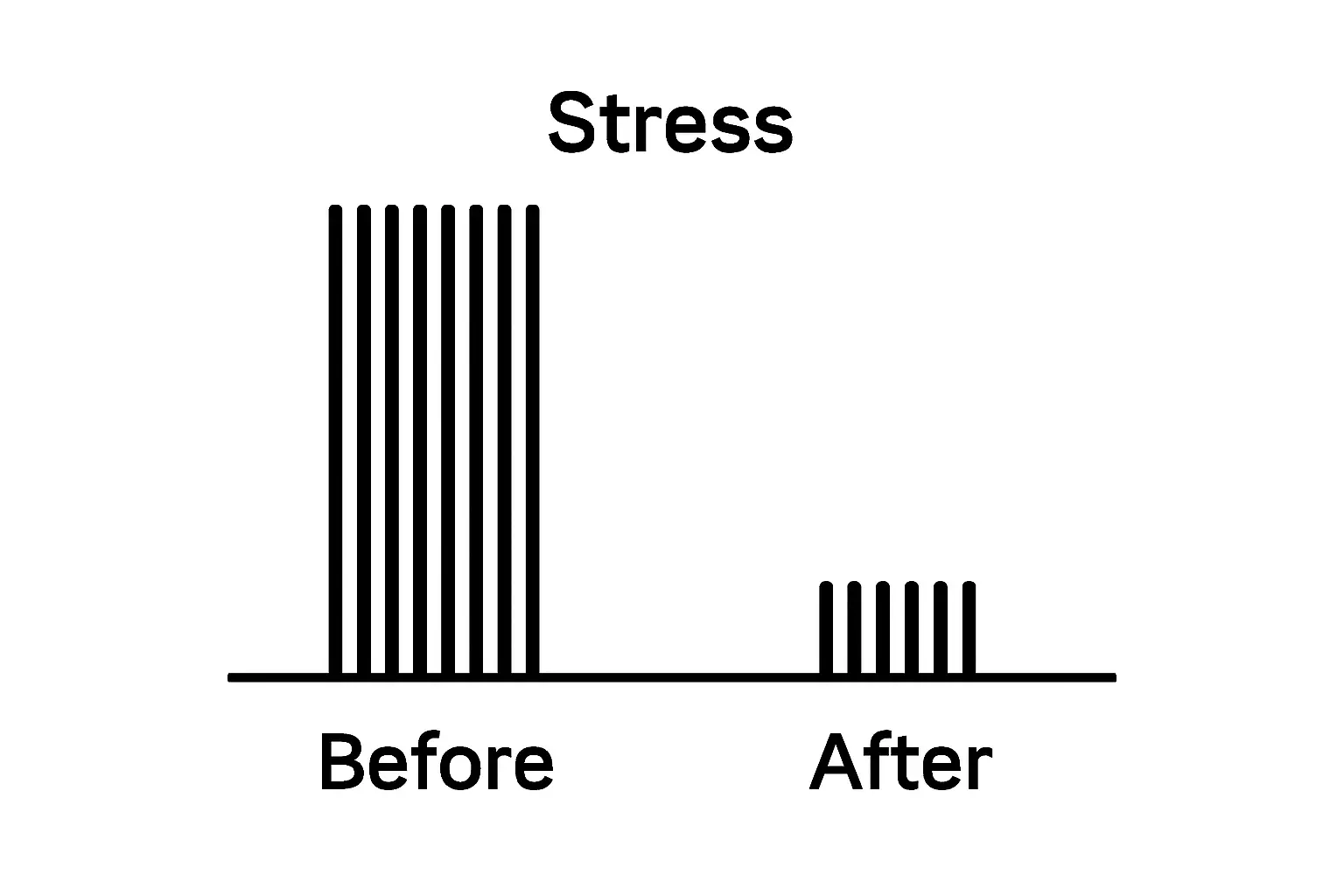
Here is a graph that shows human stress levels before and after using these automations.
How These Digital Helpers Even Work
So here’s the best Part. People think these systems are super serious, super technical, super “big brain.” But honestly, most of it is just tiny actions happening over and over, faster than any human would bother to do.
This whole idea falls under a larger category called ecommerce automation. It sounds like a big adult word, but it just means:
Let the computer do the boring parts while you handle the real stuff.
The system follows simple signals.
- Item goes low → it updates it.
- Price drops → it adjusts yours.
- Order arrives → it pushes it to the next step.
- A customer asks something simple → auto-reply jumps in.
The Tools That Act Like Tiny Workers
People hear the word “tools” and think of big dashboards, flashing screens, and complicated graphs that only smart tech people understand. But most ecommerce automation tools are actually pretty chill. They just sit in the background and poke things when needed.
Some tools watch your stock like a worried parent. Some tools change prices faster than you can find the calculator app. And a few tools just stare at data all day, like that one kid in school who actually enjoyed math homework.
Here’s a quick list to make it easy to see who does what:
- One tool checks if your items are still available.
- Another tool fixes small listing mistakes before anyone notices.
- A different tool adjusts prices based on competition.
- One more tool watches order movement so nothing gets stuck.
| Digital Worker | What It Does | Vibe |
| Stock Watcher | Counts items | A bit nervous |
| Price Shifter | Updates prices | Quick thinker |
| Order Mover | Pushes orders | Super calm |
| Data Checker | Looks at numbers | That quiet kid |
And here’s a graph showing how tools stack their work:
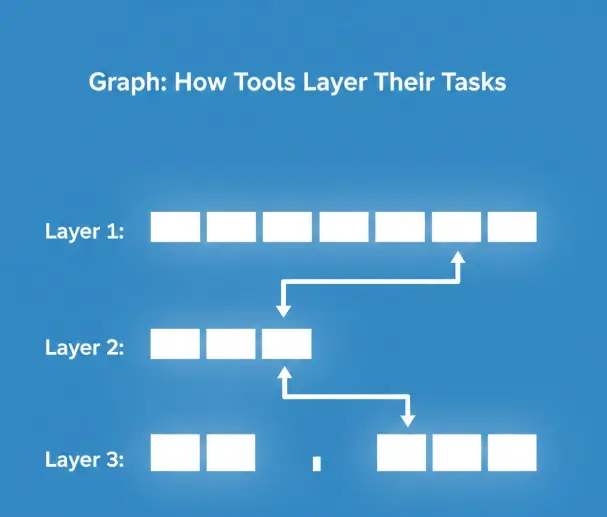
It shows how the work builds on top of itself, like blocks trying to stand straight even when the table shakes a little.
The Weird Way an Automated Store Feels
Some people expect an automated Amazon store to feel super high-tech, like you’re running a spaceship. But honestly, it feels more like the store is just behaving. No chaos, no panic, no surprise fires to put out.
You set your rules, step back a little, and suddenly things start moving on their own. It’s almost confusing at first. You check the dashboard, thinking, “Did I miss something?” But nope.
The system already handled it.
A few simple examples make it clearer:
- An item sold out → The system has already noticed.
- A competitor dropped their price → Your tool nudged your price too.
- An order came in at 3 a.m. → It quietly slipped into the next step.
What Automation Software Really Does
People hear about Amazon automation software and think of code flying everywhere. It’s mostly a calm little system doing the same things you would do, just without your stress and coffee breaks. The software sits in the background and follows patterns:
- It looks for changes.
- It reacts before you even notice something happened.
- It keeps the automated ecommerce store organized even when your mind feels like a half-charged phone.
Here’s a small table to show the “before vs after” life of a seller:
| Task | Before Software | After Software |
| Error spotting | Hours later | Instantly |
| Order flow | Manual checks | Auto-handled |
| Listing corrections | Delayed | Quietly fixed |
| Energy level | Low | Much better |
How FBA Automation Helps the Store Breathe
Now let’s talk about something important, like fba automation. This is the part that connects your products to Amazon’s huge warehouse system. And once this part moves smoothly, the whole store feels lighter. FBA is responsible for picking, packing, and shipping your items.
Let’s understand this with the help of this scenario.
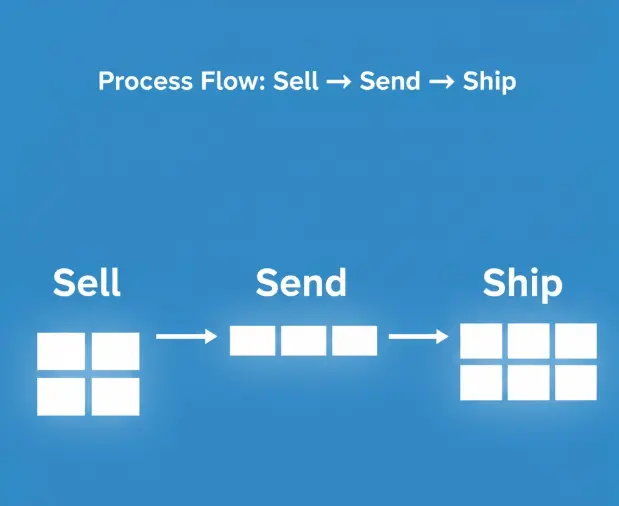
You sell something. Automation whispers to FBA, “Okay, and your turn. FBA quietly grabs the item and ships it out. You don’t run anywhere, you don’t print anything, and you don’t chase tracking numbers.
Here’s a flow graph:
The Strange Power of an Automated FBA Setup
When people switch to automated Amazon FBA, they’re usually shocked by how much calmer everything feels. Things move faster, but the store itself feels slower in a good way.
A few things happen behind the scenes:
- Orders go out without you chasing details.
- Stock levels stay balanced.
- Small data mistakes get fixed before they cause chaos.
- Everything connects like puzzle pieces that finally fit.
What is Amazon automation?
It’s basically a helper for your store. It does small jobs like updating prices, checking stock, and moving orders. You don’t have to sit there doing it all yourself.
Do I need special skills to use it?
Not really. Most of the tools are made to be simple. You set some rules, and they just follow them. No tech degree needed.
Can an automated store run completely without me?
It can do the boring stuff on its own. But big choices, picking products, and planning stuff, you still need to be there for that.
Conclusion
Automation doesn’t replace you. It doesn’t erase the human part of the business. It just takes the small, endless, brain-draining jobs off your plate so you can think clearly again.
Your store becomes calmer, and your day becomes lighter. And the work finally feels like something you can enjoy instead of something you’re constantly fighting. That’s the whole idea: to keep it simple, efficient, and steady, exactly how a good online business should feel.

I’m an Amazon operations geek with years of hands-on experience launching and scaling ecommerce brands. I started this blog to demystify automation, not as a buzzword, but as a real way to reclaim time, streamline operations, and grow revenue. When I’m not deep in dashboards or experimenting with new tools, you’ll find me coaching sellers on productivity and scaling smart.